
Trusted Radiant Barrier Installation for Glendale Homeowners
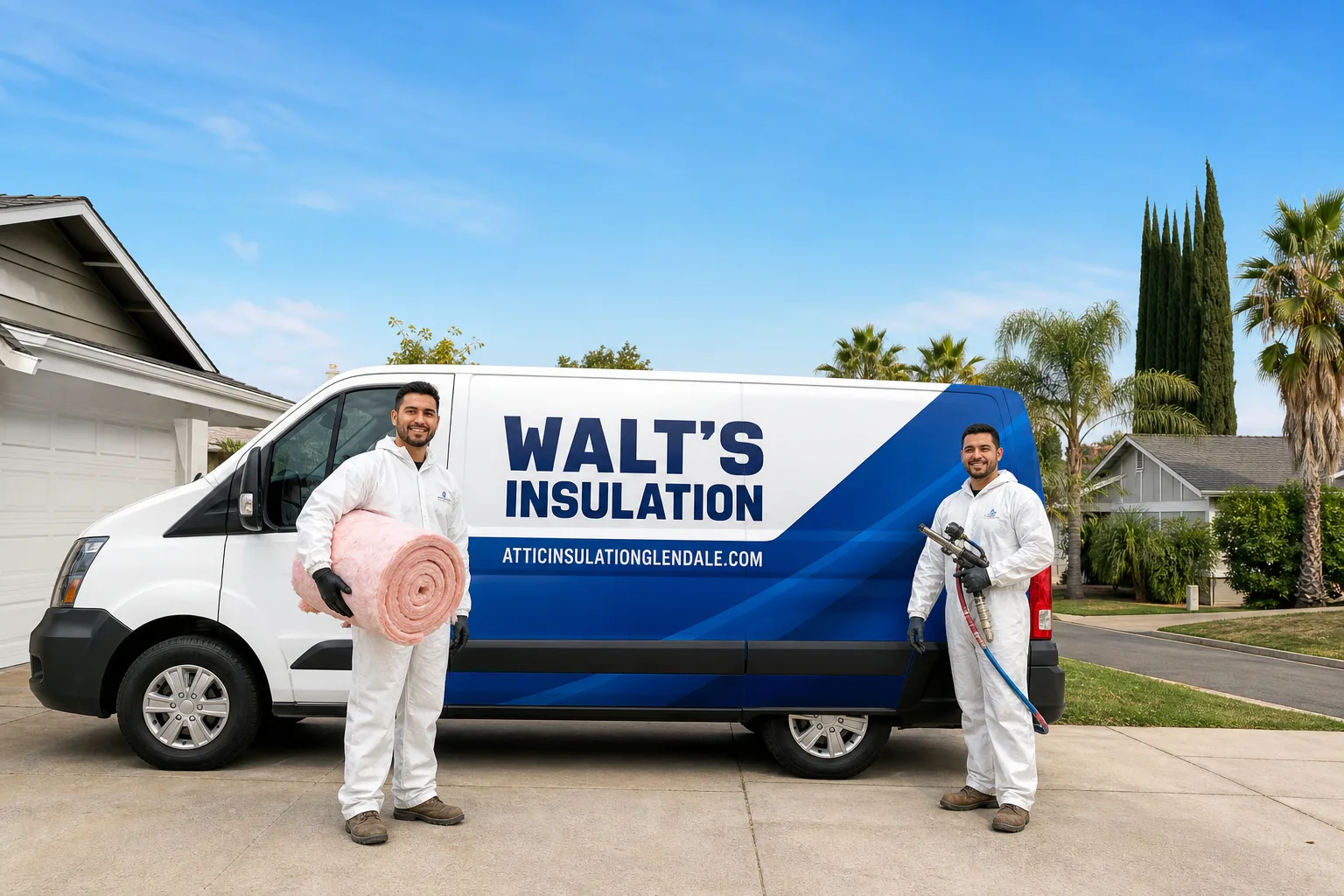
Radiant barrier installation in Glendale typically costs between $1,400 and $3,800 depending on attic size, roof configuration, and whether you’re pairing it with home insulation upgrades. Done correctly, a radiant barrier cuts attic temperatures by 20 to 30 degrees in our San Fernando Valley summers, which means your air conditioner stops fighting a 140-degree attic and your cooling bills drop 10 to 15 percent. Walt’s Insulation has installed radiant barriers in Glendale homes since 2000, and Walt Brenner still oversees every job personally.
We answer our phones live, 24/7. If your upstairs rooms bake every afternoon and your AC runs nonstop from June through September, call (747) 246-7237. We’ll give you an honest read on whether a radiant barrier makes sense for your roof pitch and attic layout, and we’ll tell you straight if it won’t.
What Our Radiant Barrier Installation Service Includes
Radiant barrier isn’t one product. It’s a category, and the right approach depends on your attic’s geometry, your roof’s age, and how your house breathes. In Glendale, where many homes were built between 1920 and 1975, we see every roof configuration imaginable: flat roofs over Spanish Colonial bungalows, steep gable roofs in the Rossmoyne historic district, low-slope ranch roofs in Glenwood. Learn more about our Radiant Barrier Installation in Glendale. Our service starts with a real assessment, not a cookie-cutter bid.
Attic Radiant Barrier
This is the classic installation: a foil-faced material stapled to the underside of your roof rafters, creating a reflective surface that bounces radiant heat back out before it ever reaches your attic floor or ductwork. It works because radiant heat moves in waves, not through air movement, and foil reflects up to 97 percent of that energy. We see attics in older Glendale neighborhoods like Verdugo Woodlands and Chevy Chase where the roof deck has zero foil and the rafters read 150 degrees at 3 p.m. in August. Attic radiant barrier changes that. Walt’s Insulation installs it with an air gap between the foil and the roof deck, which is the single most important detail most DIY jobs get wrong. Without that gap, the barrier conducts heat instead of reflecting it, and you’ve paid for shiny wallpaper.
Radiant Barrier Foil
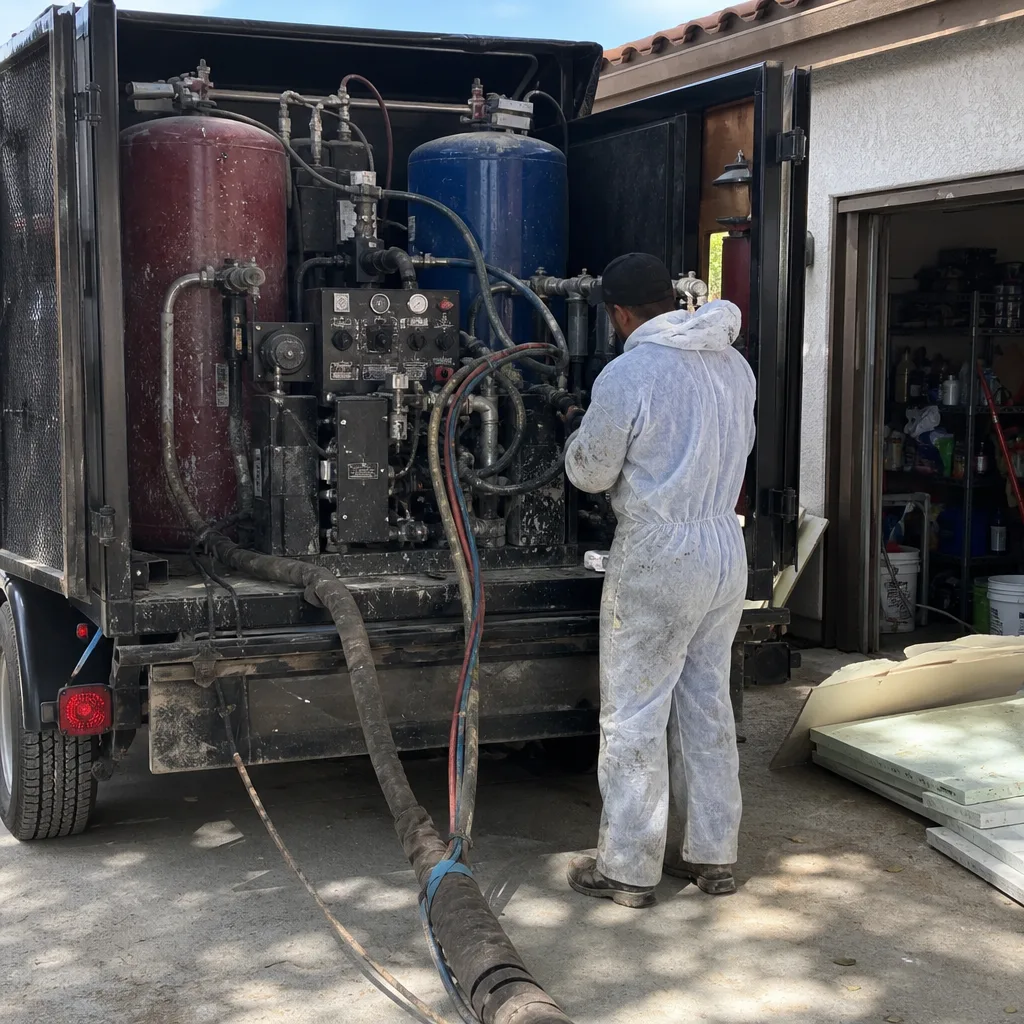
Radiant barrier foil is the material itself: reinforced aluminum sheeting, usually double-sided, that we cut to fit your rafter bays and staple into place. Not all foil is the same weight or perforation. Perforated foil matters in Glendale because our coastal-influenced air carries more moisture than Phoenix, and unperforated foil can trap condensation against the roof deck and invite mold. We use perforated material rated for attic use and select single or double-sided based on your roof’s sheathing condition. If your roof has old plywood with visible staining, we recommend single-sided foil facing down, which lets the deck breathe upward while still reflecting heat out of the living space below.
Radiant Barrier Roof Deck
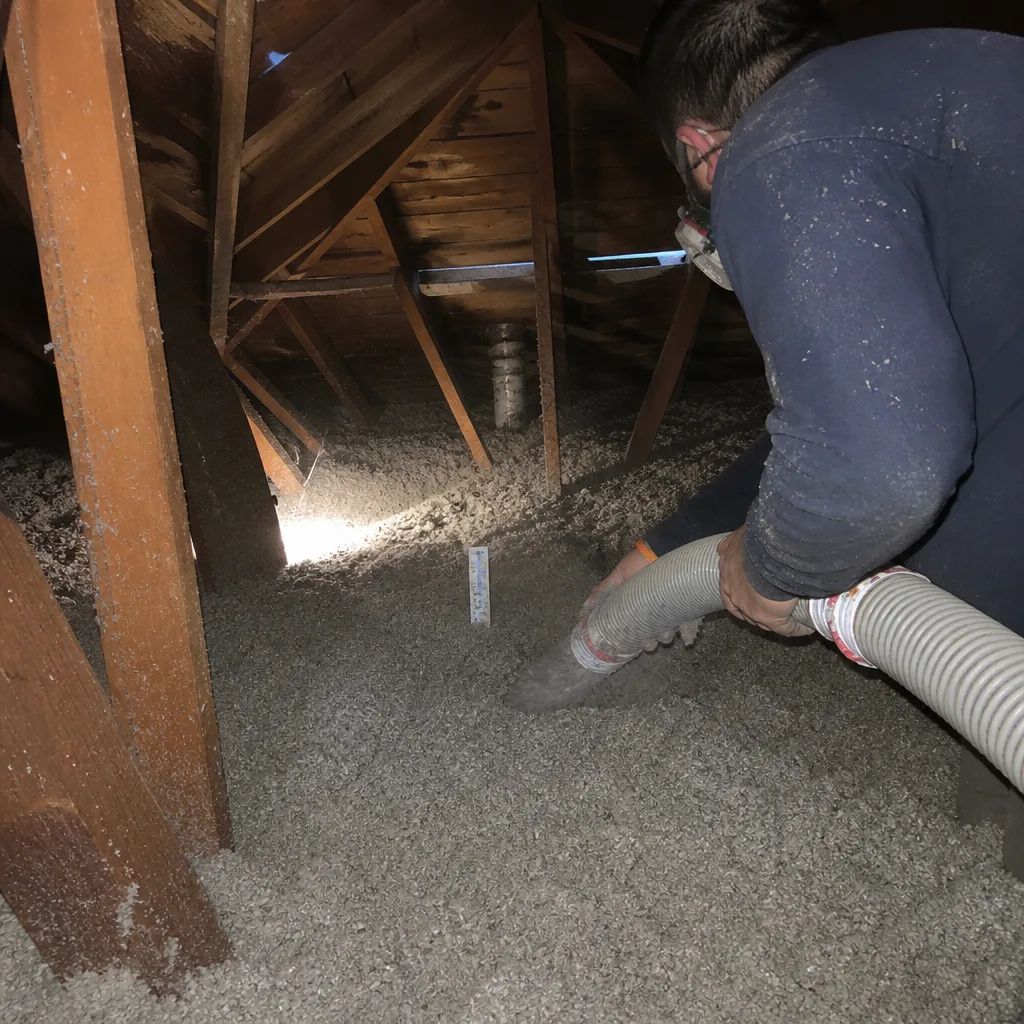
Radiant barrier roof deck application means installing the foil directly onto the underside of the roof decking before shingles or tiles go on. This is most practical in two Glendale situations: new construction or re-roofing jobs where the deck is exposed anyway, and flat-roof homes where accessing rafter interiors is impossible. We coordinate with your roofer so the barrier goes in at the right moment in the sequence: deck repaired, barrier installed, underlayment and roofing material on top. When we install this in neighborhoods like Sparr Heights or Crescenta Highlands, the homeowner gets a barrier that covers the entire roof plane including hips, valleys, and ridges without the gaps that stapled rafter jobs sometimes leave.
Radiant Barrier & Ventilation
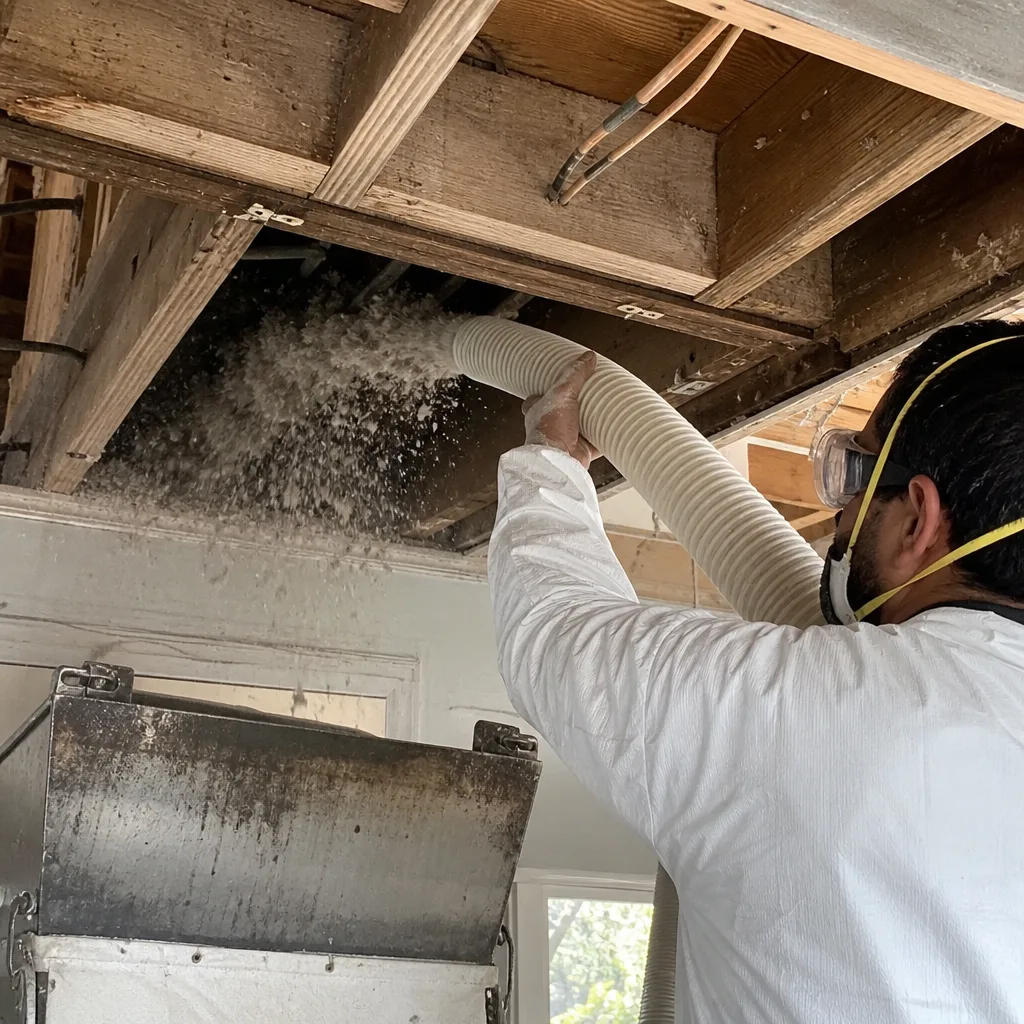
A radiant barrier works best when your attic’s ventilation is doing its other half of the job. Radiant heat is blocked by foil. Convective heat, the hot air that builds up under the roof, still has to leave through ridge vents, gable vents, or soffit vents. In many Glendale attics we inspect, the soffit vents are painted over, blocked by decades of blown-in insulation, or were never there in the first place. We pair radiant barrier installation with a ventilation audit: we check your intake and exhaust balance, clear blocked soffits, and recommend ridge venting where none exists. The two systems are not interchangeable. They’re complementary, and skipping ventilation means the barrier alone won’t deliver the cooling you’re paying for.
What happens when you call
- 1
A real person answersNo phone trees - you reach a local pro.
- 2
You get an upfront price rangeHonest numbers before anyone is dispatched.
- 3
A background-checked tech heads outLicensed & insured, dispatched right away.
- 4
You approve before work beginsNothing starts until you say go.
Brands We Service for Radiant Barrier Installation
We work with radiant barrier products from manufacturers we trust, including Owens Corning and Johns Manville. Owens Corning makes a perforated aluminum foil barrier that holds up well in attic environments with high summer heat cycles, and we’ve installed it in hundreds of Glendale homes over the years. It’s consistent material: the staple points hold, the perforation pattern is uniform, and the reflective performance doesn’t degrade in the first five years the way cheap imported foil sometimes does. For roof deck applications where the barrier interacts with Owens Corning decking or underlayment systems, we prefer staying within the same manufacturer’s ecosystem because the products are tested together.
Johns Manville produces a heavier-gauge barrier that we reach for on steep-slope roofs where installers need a material that won’t tear when pulled tight across longer rafter bays. Glendale has plenty of those: Tudor revival homes in the hills above Kenneth Village, mid-century post-and-beam builds in Adams Hill with exposed rafter patterns that demand clean, precise cuts. We also specify Radiant Barrier Installation in Beverly Hills methods with these same materials, where roof decks on older Spanish-style homes need barrier work during reroofing. Whether you have Owens Corning, Johns Manville, Demilec, GreenFiber, or any other make specified by your architect or energy auditor, our team can install it correctly and back it with the Done Right Promise.
Signs You Need Radiant Barrier Installation Right Now
- Your upstairs rooms run 8-12 degrees hotter than downstairs. This temperature split is the classic signature of attic heat load pushing down through your ceiling. In Glendale’s traditional two-story homes, like the 1920s foursquares in Moorpark, the upstairs bedrooms hover above a superheated attic all afternoon. Radiant barrier cuts the engine of that heat at the source: the roof deck.
- Your AC runs constantly but never hits the thermostat set point on hot days. When outside temperatures pass 95 degrees, the attic absorbs enough heat to exceed your insulation’s ability to slow conduction. The result: your system runs 14 hours a day and the upstairs never cools below 78. A radiant barrier reduces the attic temperature spike by 20 to 30 degrees, which gives your insulation a fighting chance.
- Ductwork in the attic feels warm to the touch when the AC is running. If your ducts run through an unconditioned attic, they’re sitting in 130-degree air and bleeding 20 to 30 percent of their cooling into the attic before it reaches your rooms. We see this all over Glendale, from Verdugo Viejo to the College Hills area. Radiant barrier lowers the ambient temperature around those ducts, which keeps the cooled air cold until it arrives at the register.
- Your attic smells like baked wood or hot dust on summer afternoons. That smell is superheated framing lumber and decades of accumulated dust off-gassing in extreme heat. It’s a fire-dryness indicator as much as a comfort issue. Lowering attic temperatures by 30 degrees reduces the drying stress on rafters, sheathing, and any stored contents you keep up there.
- Your roof was replaced in the last three years with no barrier work. Most Glendale roofers will quote you for shingles and underlayment and never mention the once-in-a-roof-life opportunity to install a radiant barrier while the deck is exposed. If your roof is approaching replacement age, wait and do the barrier with the reroof. If it was just done, a rafter-mount barrier still delivers most of the benefit.
Our Radiant Barrier Installation Process - Step by Step
You’ll know exactly what’s happening at every stage. No mystery, no disappearing crew. Here’s the sequence we follow on most Glendale homes.
- 1
Attic assessment and measurement. Walt or one of our senior technicians inspects your attic with a thermal camera and documents the rafter spacing, roof pitch, ventilation configuration, and any pre-existing moisture or rodent damage. We measure the actual square footage of your roofline, not just your attic floor. We also check for knob-and-tube wiring or recessed can lights that affect how we fasten the barrier.
- 2
Material selection and estimate. Based on your roof type and budget, we recommend either a rafter-mounted perforated foil or a roof-deck application if you’re reroofing. You’ll get a written, itemized estimate: material, labor, any ventilation fixes, and the exact start date. That estimate is free, and if you’ve got a competing written bid, we’ll give you a free second opinion on it.
- 3
Prep work and protection. We lay drop cloths from attic access to work areas, set up proper lighting, and confirm the attic is safe to work in. If your attic has vermiculite or asbestos concerns, we stop and discuss testing before anyone disturbs it. This step is where background-checked, uniformed technicians matter: you’ll know exactly who’s in your house, and our crew has been with Walt for years, not weeks.
- 4
Installation. We fasten the barrier to the underside of the rafters with staples driven into every stud and seam overlapped by 2 inches for continuous coverage. We keep a 3/4-inch air gap between the foil and the roof deck, and we cut carefully around vents, can lights, plumbing stacks, and attic access hatches. For roof deck jobs, we coordinate with your roofer and install before underlayment goes down.
- 5
Ventilation check and final walkthrough. After the barrier is in, we verify that soffit vents are still breathing, ridge and gable vents are unobstructed, and bathroom fans still exhaust properly. Then we walk you through the finished job, show you photo documentation, and register your lifetime Done Right Promise. If anything ever isn’t right, you call us and we make it right. No runaround.
How Much Does Radiant Barrier Installation Cost in Glendale?
A typical attic radiant barrier installation in Glendale runs $1,400 to $2,800 depending on attic square footage, roof complexity, and accessibility. Roof deck applications during a reroof add $1,800 to $3,800 depending on roof area and whether we’re coordinating with your existing roofing contractor or working alongside one. Radiant Barrier Installation in Commerce tends to be less expensive per square foot because industrial-era homes have simpler roof geometries, but Glendale’s hillside builds and historic districts often require more custom cutting and steeper work angles.
What affects the price: attic height and access (a 3-foot crawlspace attic costs more in labor than a walkable attic), rafter spacing (19.2-inch or 24-inch on-center means more material and more staples), roof pitch (steeper is slower), and whether ventilation repairs are needed. We don’t bury those costs in the estimate. They’re line items, and we’ll explain each one before you sign. How to avoid overpaying: get a written estimate that separates material, labor, and any ventilation work, and ask about the gap. If a bidder can’t explain the air gap requirement, they don’t understand radiant barriers.
Radiant Barrier Installation Near Glendale - Our Service Area
We serve Glendale and the surrounding communities, including La Cañada Flintridge, La Crescenta-Montrose, Altadena, South Pasadena, San Marino, Alhambra, Culver City, and Irwindale. Most Glendale appointments are scheduled within 48 hours, and we offer same-week installation for urgent summer attic projects. If you’re in a neighboring city, call (747) 246-7237 and we’ll give you a straight answer on timing. No trip charge inside our service county.
Serving Glendale, CA - Our Local Coverage Area
We’re based in the Glendale area and know this community well. Use the map below to see our service coverage - if you’re nearby, we can almost certainly help.
Frequently Asked Questions - Radiant Barrier Installation in Glendale
Radiant barrier installation is the process of attaching a reflective foil material to your attic’s roof rafters or roof deck so it reflects radiant heat from the sun back out of the attic before it heats your home. The barrier reduces attic temperatures by 20 to 30 degrees, which lowers cooling load and improves comfort in upstairs rooms. In Glendale, the material is typically perforated aluminum foil stapled to rafters with an air gap maintained between foil and roof sheathing.
Most Glendale attic radiant barrier installations finish in one full day for a typical 1,500 to 2,500-square-foot home. Steeper roofs, low-clearance attics, or ventilation repairs can add a second day. We’ll give you a firm completion date before we start and we hit it.
Radiant barrier installation in Glendale costs between $1,400 and $3,800 depending on whether it’s an attic retrofit or a roof deck job during reroofing, your attic’s accessibility, and your roof’s complexity. For a detailed breakdown of how much Radiant Barrier Installation costs, see our pricing guide. Every estimate is free and itemized, and we stand behind the price once it’s quoted. Call (747) 246-7237 for a free estimate specific to your home.
Yes, we install Owens Corning and Johns Manville radiant barrier products regularly and have years of experience with both manufacturers’ material specifications. We also work with Demilec and GreenFiber products when a project calls for them. If your contractor or energy auditor specified a particular brand, we’ll install it correctly and back the work with our lifetime Done Right Promise.
Radiant barrier work is rarely a true emergency, but if you have exposed rafters after storm damage or a failed DIY attempt, call us. We answer live 24/7 and can often dispatch a technician to Glendale the same day. We’ll stabilize the situation and give you a clear repair plan.
Every radiant barrier installation is covered by the Done Right Promise: a lifetime workmanship guarantee. If the barrier comes loose, tears, or fails to perform as specified due to our installation, we make it right at no charge. That’s our entire warranty philosophy: done right, or we fix it.
Clear a path from your access hatch to the attic entry point and move any belongings stored directly under the hatch. Remove small valuables from the attic if the work area covers your storage zone. We’ll handle the rest: drop cloths, lighting, cleanup, and leaving your attic cleaner than we found it.
Schedule Your Radiant Barrier Installation Service in Glendale Today
If your attic is cooking your summer cooling budget, let’s fix it now. Call Walt’s Insulation at (747) 246-7237 for a free, no-obligation estimate on radiant barrier installation in Glendale. Walt Brenner has been doing this since 2000, and we answer every call live, 24/7. The one down the road is ready when you are.
Written by Walt Brenner, Owner at Walt’s Insulation, serving Glendale since 2000.